
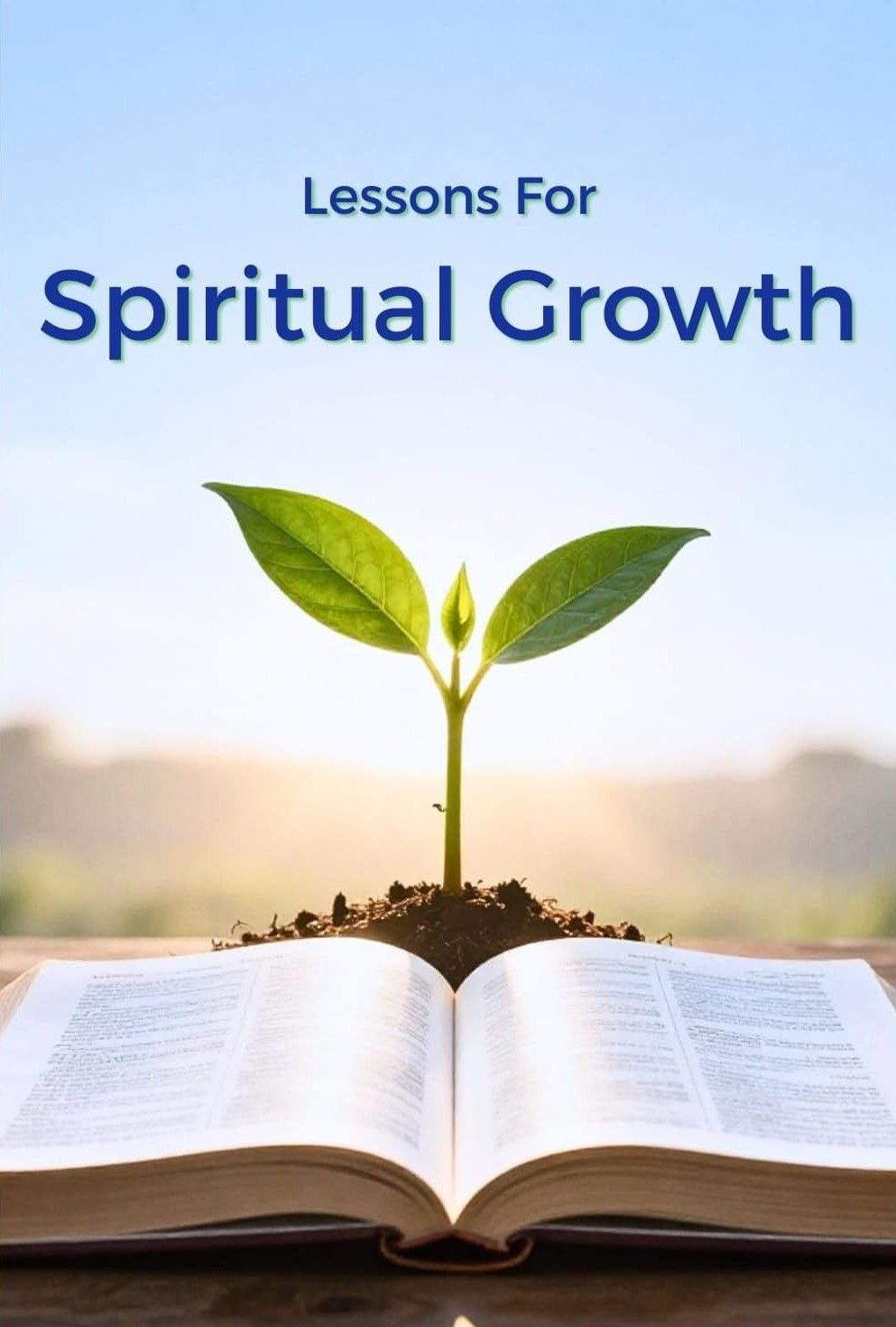
From Seed to Harvest: A Journey of Spiritual Growth There is something deeply comforting about watching a seed grow. We place it in the soil, water it faithfully, and wait. At first, nothing seems to happen. Days pass, and the ground looks unchanged. Yet beneath the surface, life is stirring. Roots are reaching deeper. Growth is taking place where no one can see. Our walk with God often unfolds in the same way. The Seed of Faith Every spiritual journey begins with a seed. It may come through a Scripture that grips your heart, a prayer offered in a moment of need, or a quiet nudge from the Holy Spirit. What seems small in the beginning often contains God's extraordinary purpose for our lives. God never expects a harvest from a seed on the day it is planted. Instead, He lovingly nurtures what He has placed within us. Our responsibility is simply to receive it and trust Him with the growth. Preparing the Soil Before a seed can grow, the soil must be prepared. Hard ground must be broken up, stones removed, and space made for new life. In much the same way, God prepares our hearts. Sometimes He uses seasons of waiting, disappointment, correction, or change to soften us. While those experiences may be uncomfortable, they often become the very places where grace takes root. A heart that remains humble and teachable becomes fertile ground for God's work. The Blessing of Rain and Sunshine A growing plant depends upon the rain and the sunshine. Without them, growth stalls. Likewise, our souls need God's daily provision. Through prayer, worship, Scripture, and fellowship with other believers, God refreshes and strengthens us. We discover that spiritual growth is less about striving and more about staying connected to the One who gives life. Just as a plant naturally turns toward the sun, we are called to continually turn our hearts toward Christ. Pulling the Weeds No garden grows without weeds. Left unattended, they gradually steal nourishment intended for healthy plants. Spiritually, weeds may be worry, bitterness, pride, unforgiveness, or distractions that pull our attention away from God. Because He loves us, God reveals these things so they can be removed before they hinder our growth. Sometimes spiritual maturity is less about adding something new and more about surrendering something that doesn't belong. The Hidden Season Perhaps the hardest part of the growing process is the waiting. Farmers do not dig up their seeds every day to check their progress. They trust that growth is happening beneath the surface. In the same way, God often works in unseen ways long before we see visible results. If you feel discouraged because growth seems slow, remember that roots must grow deep before fruit can grow abundant. The hidden season is not a wasted season. It is a season of preparation. Through the Storms Every harvest faces storms. Wind, rain, drought, and difficult conditions are all part of the growing process. The same is true in our spiritual lives. Trials test our faith, but they also strengthen it. Storms often drive our roots deeper into God's faithfulness. What feels like a setback today may actually be preparing us for greater fruitfulness tomorrow. God does some of His finest work in the midst of life's hardest seasons. The Harvest Eventually, the season of waiting gives way to a season of harvest. The seed has become a mature plant. Growth that was once hidden becomes visible. Love replaces anger. Peace overcomes anxiety. Faith grows stronger. Compassion deepens. The character of Christ becomes evident in our everyday lives. The beautiful truth is that the harvest is not just for us. Just as crops feed others, the fruit God produces in our lives becomes a blessing to our families, friends, churches, and communities. God grows us so that others may experience His love through us. Closing Reflection As you reflect on your own journey from seed to harvest, take a few moments to prayerfully consider these questions: What season of spiritual growth am I currently experiencing: planting, growing, pruning, waiting, or harvesting? How have I seen God at work in my life, even in seasons when growth was not immediately visible? What "weeds" or distractions might be hindering the growth God desires in me? In what areas is God calling me to trust Him more deeply and be patient with His timing? How have past challenges or storms strengthened my faith and deepened my dependence on God? What spiritual fruit is becoming evident in my life today? How is God using my growth journey to encourage, serve, or bless others? What is one step I can take this week to cultivate a deeper relationship with Christ? Am I allowing the Master Gardener to shape me according to His purpose, or am I resisting His work? If my life were a harvest field today, what would others see growing there? Prayerful Response Before moving on with your day, ask God to reveal the next step in your spiritual journey. Thank Him for the seeds He has planted, the growth He has nurtured, and the harvest He is preparing. Trust that the One who began a good work in you will faithfully bring it to completion. "Lord, help me trust You in every season. Give me patience when growth is slow, courage when storms arise, and a willing heart to bear fruit that brings glory to You. Amen." Love and Blessings through Christ, Pastor Joey Shelton

Discover practical ways to maintain your spiritual connection and keep your faith strong in a busy world through prayer, scripture, and community.

Discover practical habits for walking daily with Christ. Strengthen your faith through prayer, scripture, and community with this simple guide.

Learn how to preach the Word faithfully and stand firm in biblical truth, even when the message is uncomfortable or challenging for modern audiences.

Explore the importance of prayer in connecting with God. Deepen your faith with biblical insights & practical tips for daily prayer.